Exploring the Earth’s Last Frontier: SS United States Set to Launch Unprecedented Artificial Reef Research
By Emily
DESTIN–FORT WALTON BEACH, Fla. — Much of the ocean remains unexplored, often described by scientists as the Earth’s last frontier. Soon, just offshore of Destin–Fort Walton Beach in the crystal-clear waters of the Gulf, researchers will have a rare opportunity to watch an entirely new underwater world take shape from the very beginning.
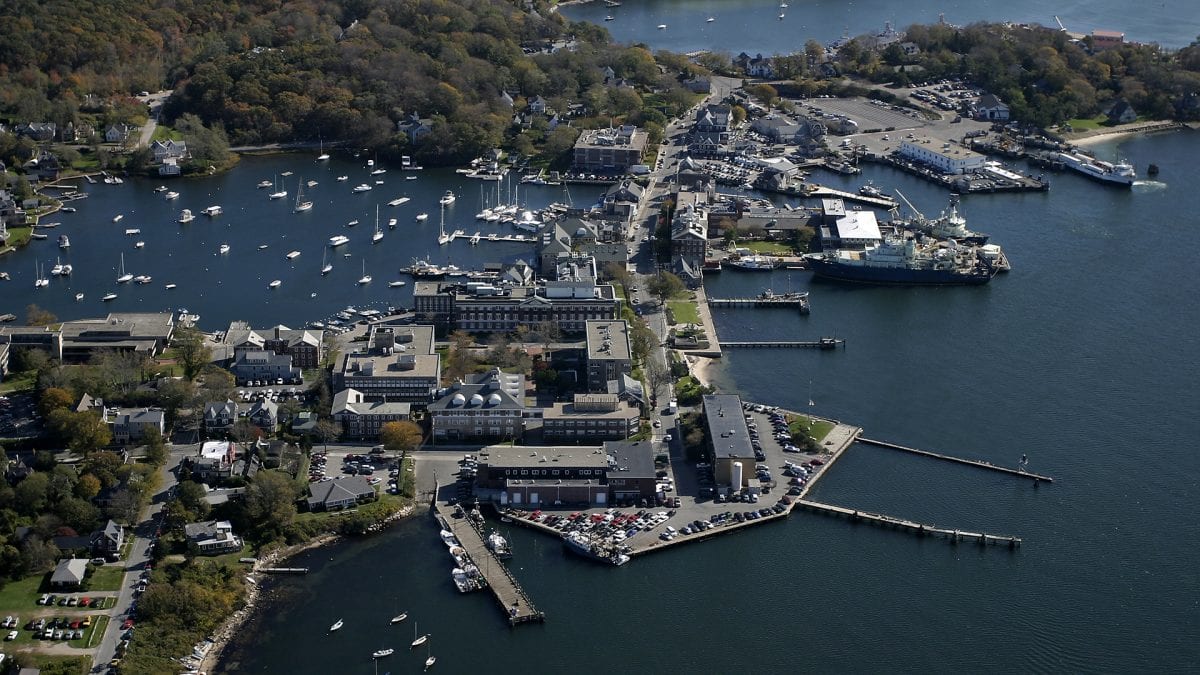
Through a partnership with the Woods Hole Oceanographic Institution (WHOI), the historic SS United States will not only become the world’s largest artificial reef, it will also serve as a living laboratory for understanding how marine ecosystems are born, grow and change over time. WHOI, based in Woods Hole, Massachusetts, is one of the world’s most respected oceanographic research institutions.
“This project puts Destin-Fort Walton Beach at the center of something global,” said Alex Fogg, Natural Resources Chief for the Destin-Fort Walton Beach Tourist Development Department. “We’ve built one of the most active artificial reef programs in the country, and now we’re pairing that experience with a world-class marine scientific institution. It’s not just about creating habitats, it’s about understanding the ocean better and protecting it for the future.”
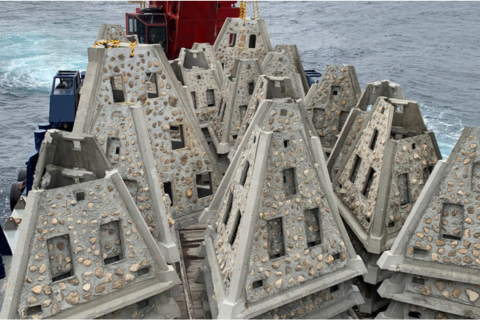
Artificial structures are already common throughout the world’s oceans, providing vital habitats where marine life can settle and thrive. Scientists say this growing footprint is part of a process known as “ocean sprawl,” the expansion of human infrastructure into marine environments.
“Artificial structures are becoming more and more common through a process called ocean sprawl, humans expanding our own habitats and infrastructure offshore,” said Kirstin Meyer-Kaiser, a marine biologist at WHOI. “Most of these artificial structures, like offshore wind turbines or oil rigs, can’t be studied very well. The SS United States can serve as an analogue for understanding some of the same processes that might be happening on other artificial structures.” Shipwrecks in particular often become ecological hotspots, supporting fisheries and boosting biodiversity. Yet scientists typically discover these sites long after they sink, leaving ecosystems that have already been developing for decades or even centuries.
“We differentiate between shipwrecks, which are usually unintentional and often historically significant, and artificial reefs, which are intentionally sunk,” Meyer-Kaiser said. “One of the unique things about the SS United States is that it’s both intentional and historically significant. It really has elements of both.” UNESCO estimates there are nearly three million shipwrecks worldwide, far outnumbering intentionally deployed artificial reef structures. Because most wrecks are discovered long after they reach the seafloor, scientists must reconstruct how ecosystems formed after the fact.
“By the time we find the habitat, a community has already developed, so the best we can do is interpolate,” Meyer-Kaiser said. “Being able to track the development of a habitat physically, chemically and biologically from the very beginning is extremely rare.” The deployment of the SS United States in the Gulf changes that. For WHOI researchers, it represents an extraordinary opportunity to document a marine habitat from its very first moments on the seafloor, establishing a true environmental baseline and tracking how life builds from bare steel into a complex reef community.
“Working with an institution like WHOI elevates what we can learn from this reef,” said Fogg. “We know artificial reefs work, we see it every day, but this lets scientists connect the dots between chemistry, microbes and marine life in a way that’s never really been done at this scale. That knowledge doesn’t just help us here, it can shape reef development and ocean management around the world.” As the ship settles offshore of Destin–Fort Walton Beach, home to one of the most active artificial reef programs in the country, scientists will begin an ambitious long-term study that blends chemistry, microbiology and marine ecology.
One of the most intriguing aspects of the vessel is its construction. The ship is composed of multiple materials, including steel in the hull, aluminum on some decks and chromium in its historic yellow paint. “We want to understand how the addition of those metals to the seafloor environment impacts the formation of microbial biofilms,” Meyer-Kaiser said. “Those microbial communities can then influence the settlement of invertebrates like corals or sponges.”
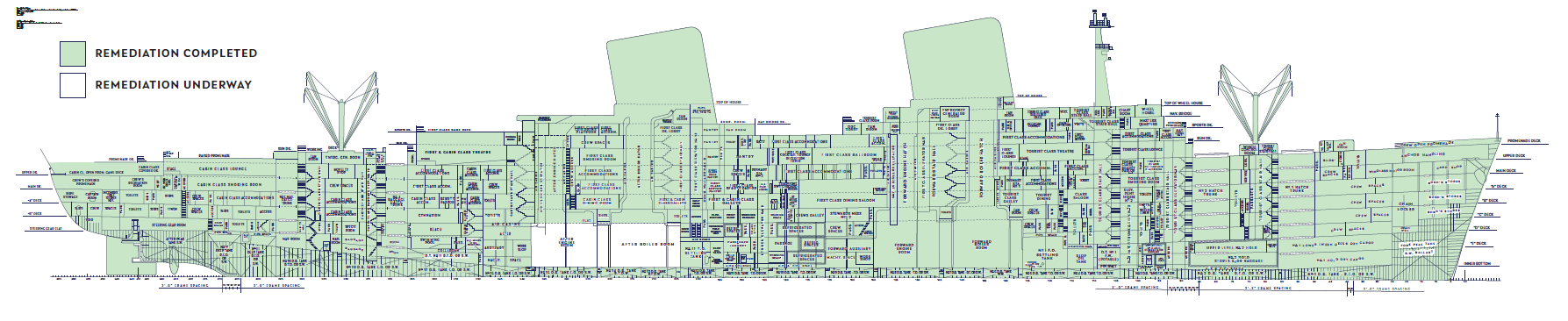
Steel structures in the ocean naturally corrode, releasing metals such as iron, magnesium, manganese, chromium and nickel into surrounding waters. WHOI’s team will collect water samples at 132 locations around the vessel to measure how much of each metal is present. Some elements may act as nutrients that help corals and other organisms grow, while others could create stress in the developing ecosystem.At the same time, researchers will examine the microscopic life that first establishes on the ship. Water samples and surface swabs will reveal which microbes settle on the steel and how they form biofilms that influence corrosion and shape which larger organisms can attach later.
To track visible marine life, scientists will photograph the hull and deck at each of the 132 sampling points, documenting when and where invertebrates such as corals, sponges and other reef-building species begin to appear. By connecting these observations with metal concentrations and microbial communities, researchers can better understand how chemical and biological factors work together to determine which species settle where.
Limestone settlement panels, designed to mimic natural coral reef material, will also be attached to the ship’s upper structures. By comparing what settles on the panels to what grows directly on the vessel, scientists can determine how the ship’s metal surfaces influence which species establish themselves on the reef. Over the years, the SS United States will gradually change as corrosion alters its structure, creating shifting habitats that influence the life it supports. Watching that process unfold in real time could reshape how scientists think about artificial reefs, marine habitat design and the long-term role of human-made structures in the ocean.
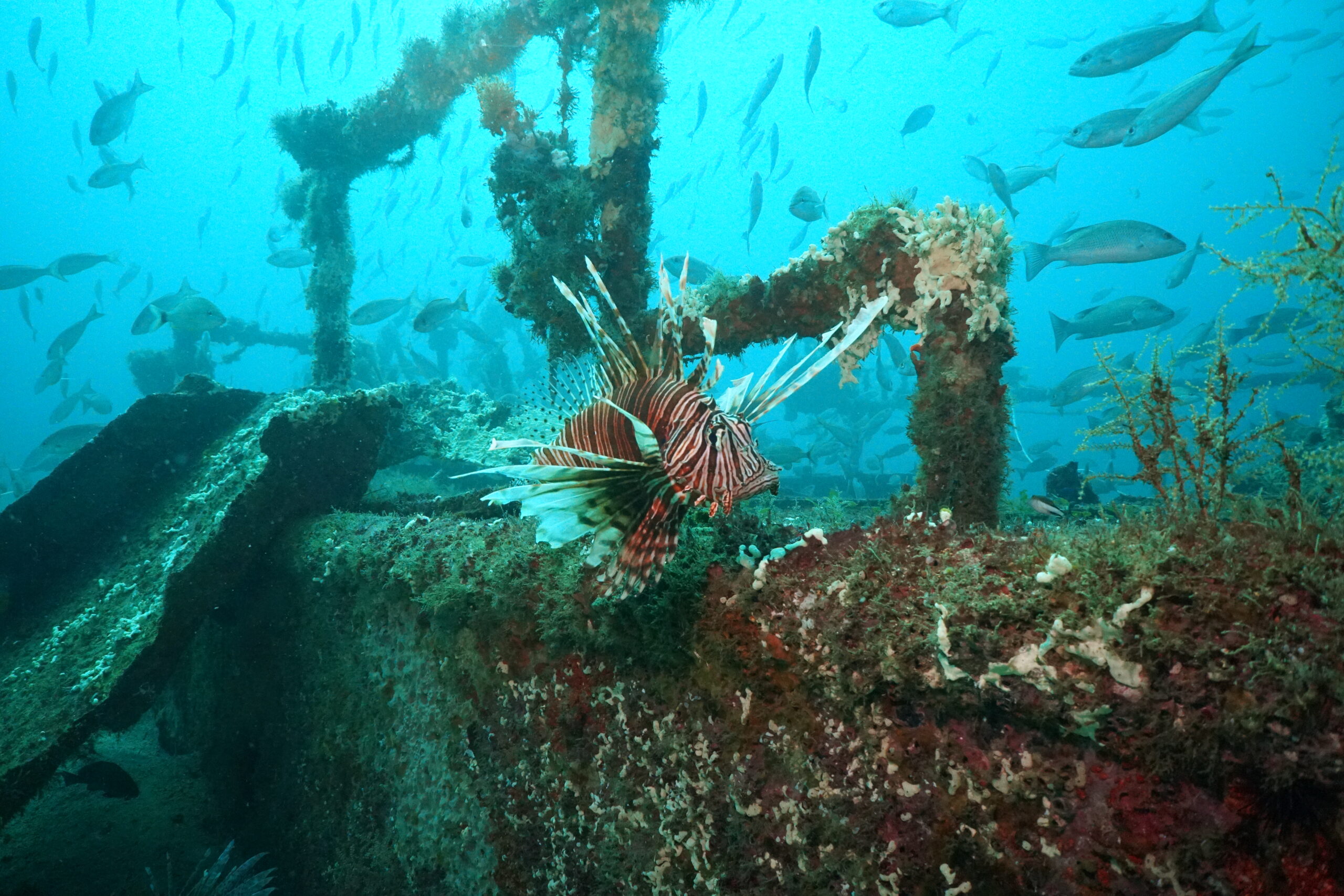
Researchers also hope to involve the diving community in the project. “One of our long-term goals is to establish a citizen science program with Destin–Fort Walton Beach,” Meyer-Kaiser said. “Recreational divers could contribute their photos to help us build our dataset between annual sampling events.”
“Destin-Fort Walton Beach has always been a place where people connect with the water,” said Fogg. “Now we’re also leading in how we study and care for it. This reef shows that recreation, conservation and science can work together, and that our community is serious about ocean stewardship for generations to come.”
As one of the most iconic vessels in American maritime history begins its next life beneath the surface, Destin–Fort Walton Beach is helping turn exploration of the ocean’s last frontier into discovery that could benefit marine ecosystems for generations to come.
Events in Destin-Fort Walton Beach
It’s always the best time of the year to visit Destin-Fort Walton Beach, Florida. Mild temperatures and warm gulf waters make the area enjoyable no matter the season. And with a running lineup of exciting local events and festivals, there’s always something to do in Destin-Fort Walton Beach!
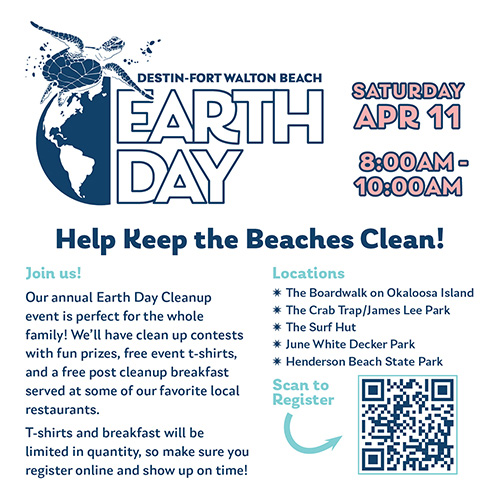
April 11, 2026
Earth Day 2026 Beach Cleanup
Our annual Earth Day Cleanup event is perfect for the…
See details
April 11, 2026 - April 12, 2026
Athletic Championships 2026
Athletic Championships National Competitions are 2-day events with prestigious titles,…
See details
April 11, 2026 - April 12, 2026
Northwest Florida 2026 Spring Home Show
FREE ADMISSION TO ALL VISITORS
OVER…
See details