What’s Blooming in November
As temperatures drop and the crystal-blue waters of Northwest Florida turn cold, native winter plants and shrubs thrive along the trails in Crestview and the sugar-white sand beaches of Destin-Fort Walton Beach. Check below to see what’s blooming in November.
Largeleaf Jointweed (Polgonella macrophylla)
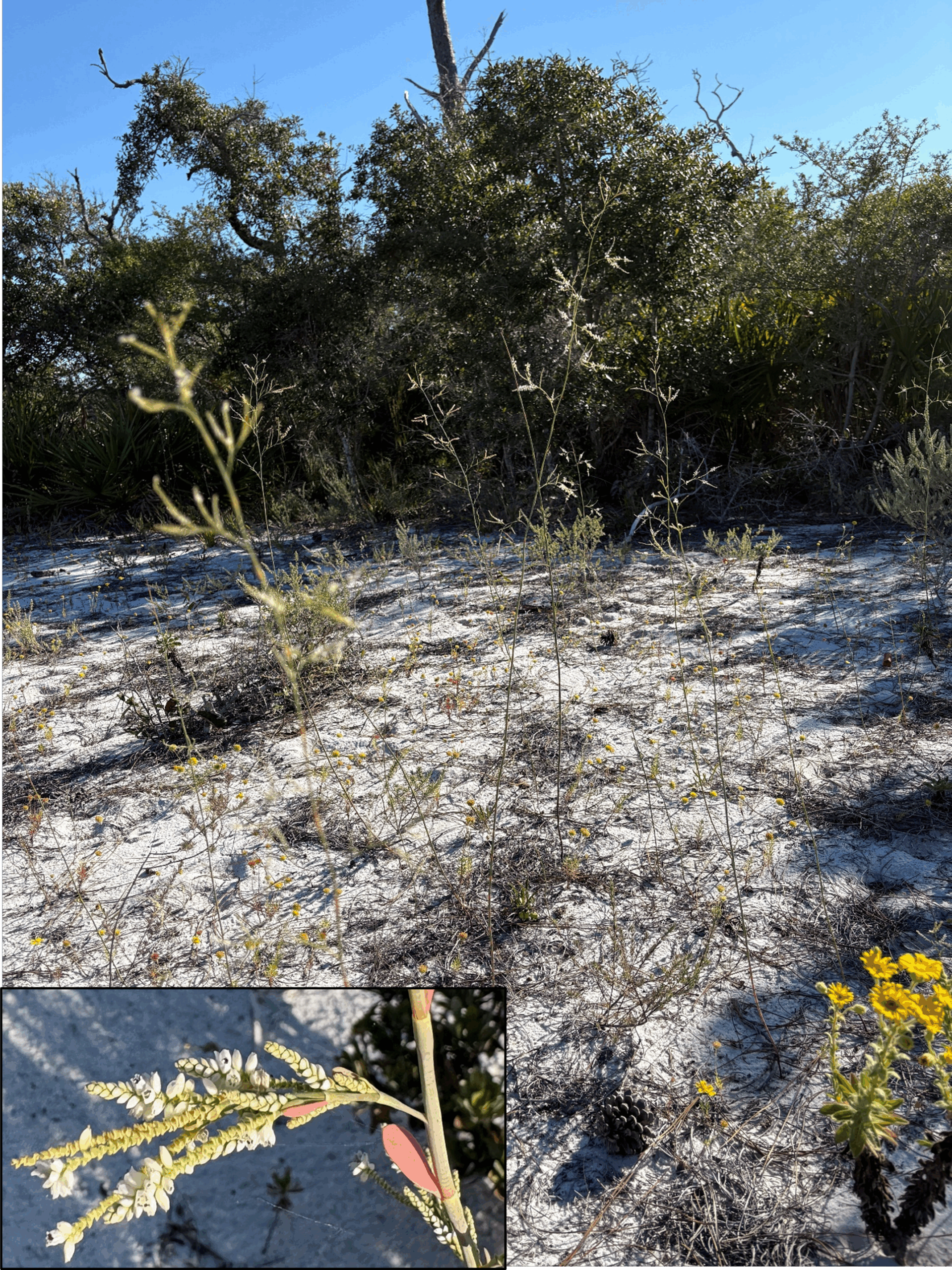
This flower is a state threatened plant found in Northwest Florida. This small slender shrub is seen blooming from October to mid-November with white– to pink– to red colored flowers. Largeleaf jointweed thrives in coastal scrub habitat and scrubby flatwoods with access to direct sunlight. This plant grows in clusters that can range anywhere from 5 – 50 individuals. A major threat to largeleaf jointweed is habitat loss.
You can see Largeleaf Jointweed blooming in the dunes on the beach or on the spoil islands.
Godfrey’s Goldenaster (Chrysopsis godfreyi)
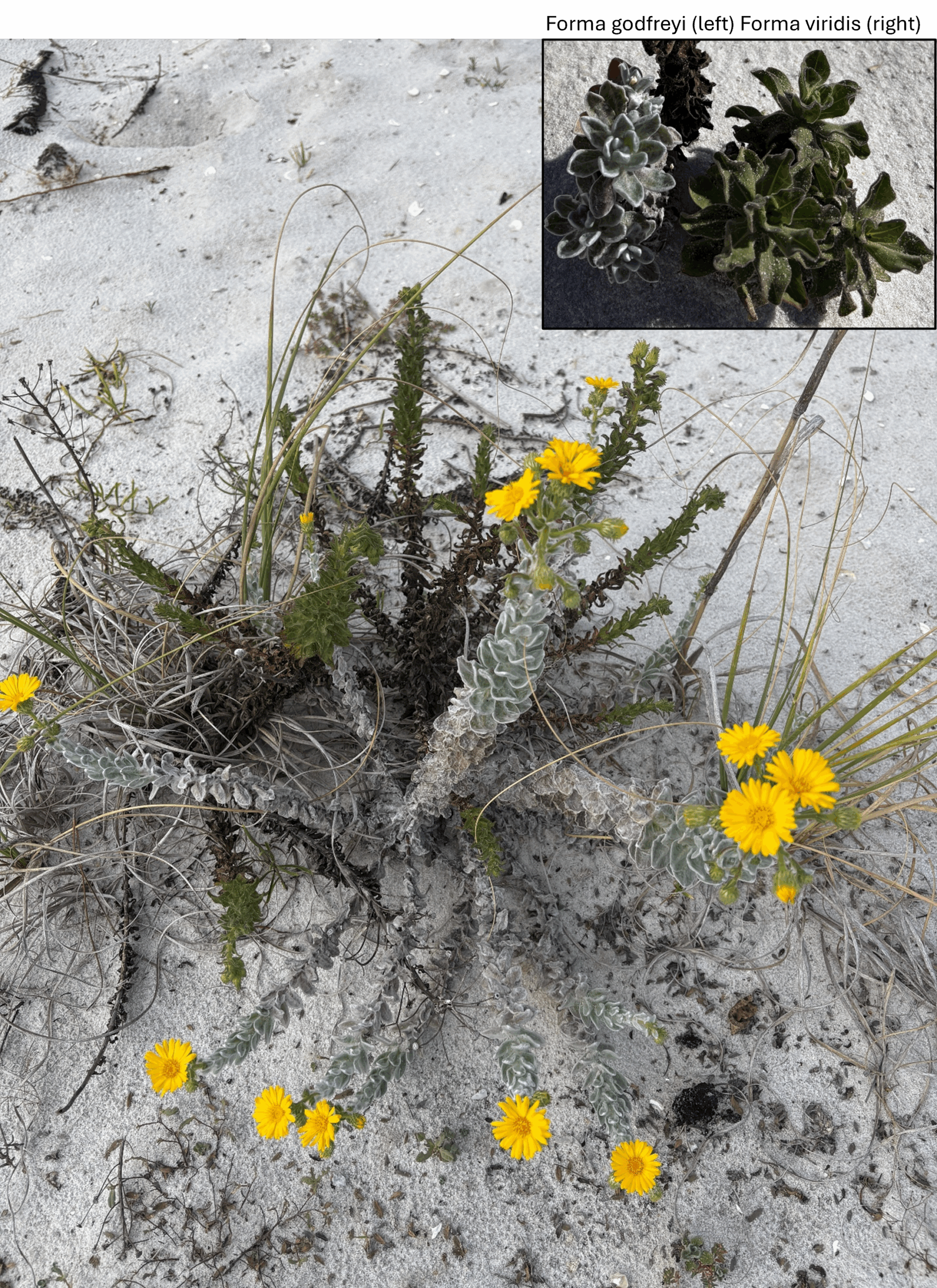
This perennial to biennial goldenaster is an endangered species in the state of Florida only occurring in Northwest Florida. This aster has two forms: Forma godfreyi that has a long wooly pubescence (hairs) and Forma viridis lacking the wooly hairs. Both asters are seen blooming in coastal scrub habitat in October—November. This aster thrives in full sun and prefers well-drained sandy soil to prevent root rot. Godfrey’s goldenaster can grow up to 20 inches tall and provides nectar to many bees, butterflies, and other pollinators.
You can see Godfrey’s Goldenaster blooming in the dunes on the beach, by the beach accesses or on some of the spoil islands.
Saltbush (Baccharis halimifolia)
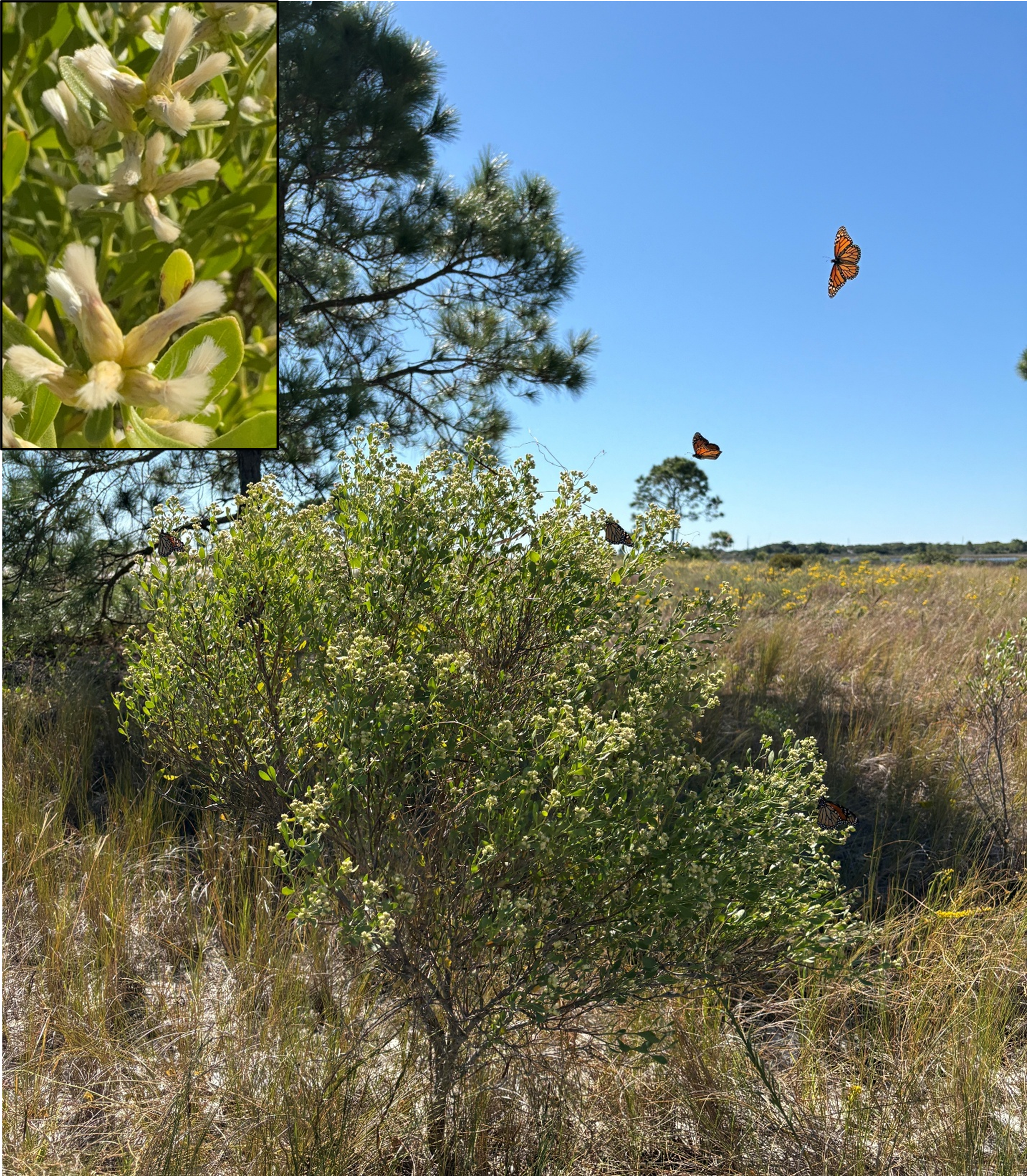
Also known as groundsel tree and sea myrtle, Saltbush is a perennial shrub that can grow up to 12 feet tall. Saltbush is the only native eastern species of the aster family that reaches tree size. This shrub produces tiny silvery-white flowers that resemble a paintbrush when in bloom. The genus name “Baccharis” is an ancient Greek name describing a plant with fragrant roots. This shrub is considered an evergreen in south Florida but can be deciduous in northern Florida. Saltbush blooms in fall and prefers coastal upland dunes, along ponds margin, and disturbed areas. Its nectar attracts a variety of pollinators, but this is a favorite for monarch butterflies.
You can see Saltbush blooming on the beach, spoil islands, or in scrub habitat.
Pinebarren Goldenrod (Solidago fistulosa)
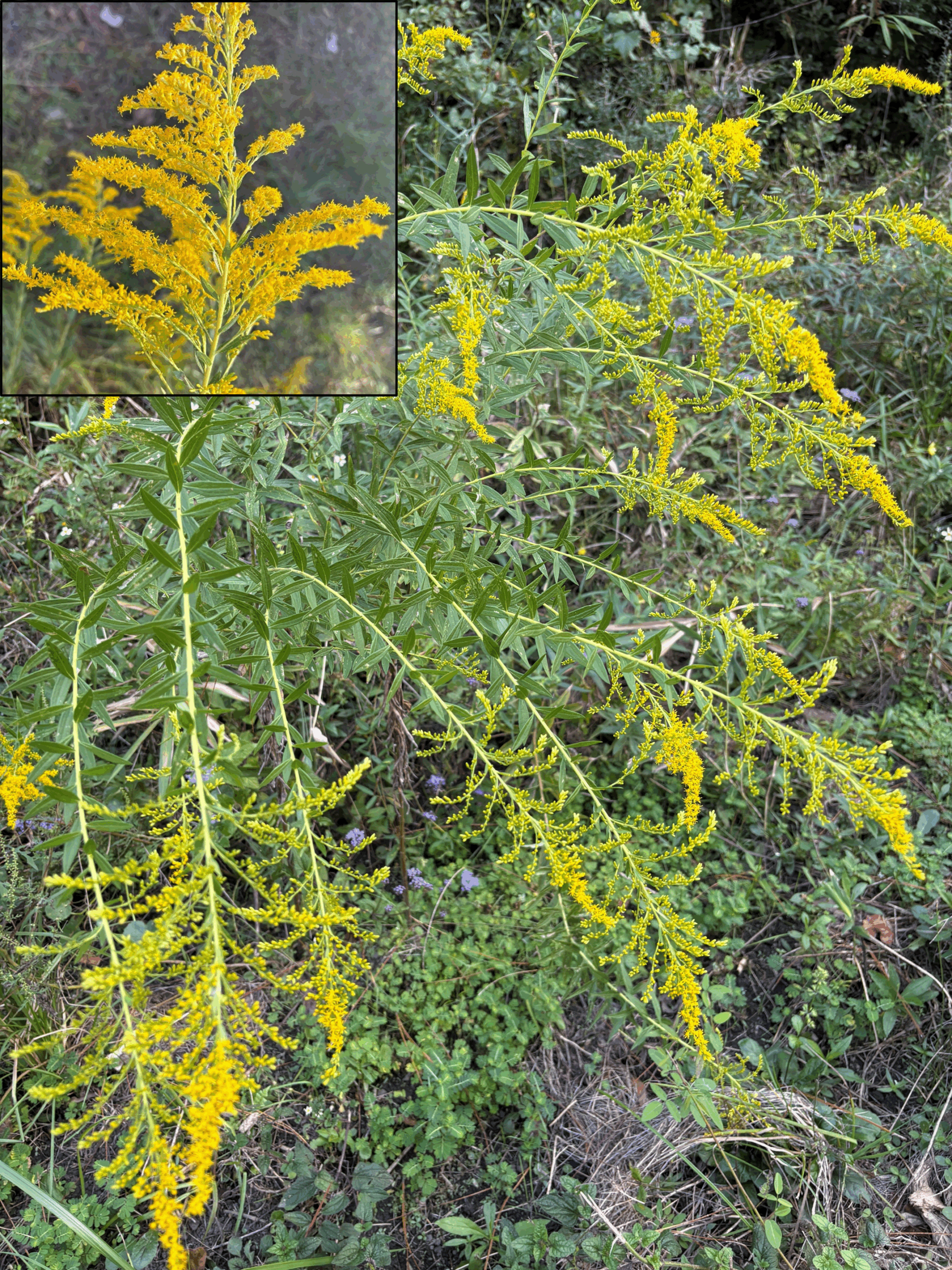
Florida is home to 22 native species of goldenrod. Some golden rods are commonly known as butterfly nectar plant; however, all goldenrods provide nectar for butterflies and other pollinators. Pinebarren goldenrod is Florida’s most common species of goldenrod often found in pine flatwoods, upland habitat, and wetter soils. The flowers are dispersed on the ends of the stems and can grow to 3-5 feet on average. This plant is hardy and thrives in full sun or partial shade and prefers a moist soil.
You can see Pinebarren Goldenrod blooming on the trails in Crestview.
Events in Destin-Fort Walton Beach
It’s always the best time of the year to visit Destin-Fort Walton Beach, Florida. Mild temperatures and warm gulf waters make the area enjoyable no matter the season. And with a running lineup of exciting local events and festivals, there’s always something to do in Destin-Fort Walton Beach!
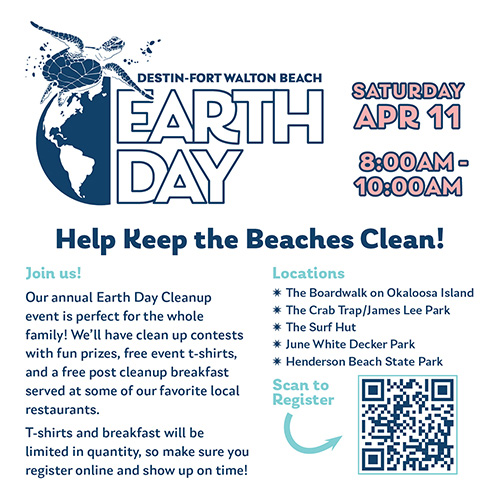
April 11, 2026
Earth Day 2026 Beach Cleanup
Our annual Earth Day Cleanup event is perfect for the…
See details
April 11, 2026 - April 12, 2026
Athletic Championships 2026
Athletic Championships National Competitions are 2-day events with prestigious titles,…
See details
April 11, 2026 - April 12, 2026
Northwest Florida 2026 Spring Home Show
FREE ADMISSION TO ALL VISITORS
OVER…
See details