SS United States Artificial Reef: Long-Term Ecosystem Study
2026; research study spans for at least 10-years, post-deployment
Partners: Woods Hole Oceanographic Institution (WHOI), Dauphin Island Sea Lab (DISL), Louisiana State University (LSU), Destin-Fort Walton Beach Natural Resources Team
The SS United States, at 990 feet long, is being prepared for deployment off Destin-Fort Walton Beach as the world’s largest artificial reef. Alongside the engineering, permitting, and remediation work, the project includes a substantial long-term research component. Woods Hole Oceanographic Institution has committed to biological, chemical, and physical monitoring of the vessel for ten years following deployment, structured around three interconnected research areas: water chemistry, microbiology, and invertebrate community development. Destin-Fort Walton Beach is a partner in this initiative and will support this project for its duration.
WHOI has mapped roughly 132 permanently tagged monitoring locations across the vessel, so researchers can return to the same exact spots over time to document ecological succession from day one. The research program has been described by WHOI and collaborators as advancing a newly defined interdisciplinary field, Maritime Heritage Ecology, which combines marine biology and maritime archaeology to understand the role shipwrecks play in ocean ecosystems. Additional research partnerships include DISL who is conducting a soundscape and ecological monitoring project tracking the acoustic environment before and after the historic ocean liner is deployed. Monitoring will continue for years after deployment to analyze how fish colonization and structural changes alter the local underwater sound habit. Lastly LSU will be analyzing how tagged fish interact with the reef and connectivity with other reef sites in the region. The LSU work is an extension of other existing projects evaluating fish connectivity and movement ecology.
Events in Destin-Fort Walton Beach
It’s always the best time of the year to visit Destin-Fort Walton Beach, Florida. Mild temperatures and warm gulf waters make the area enjoyable no matter the season. And with a running lineup of exciting local events and festivals, there’s always something to do in Destin-Fort Walton Beach!
October 17, 2026
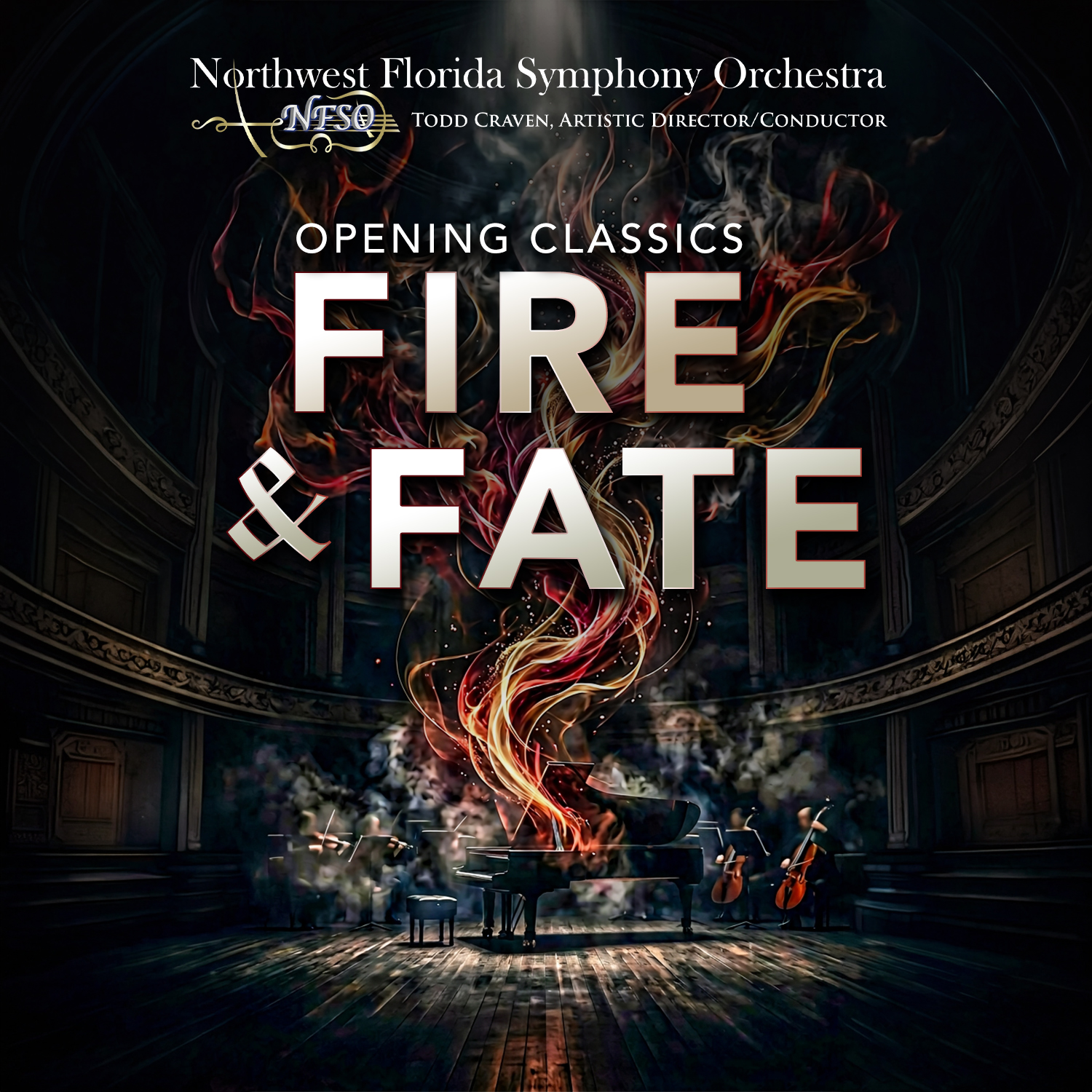
NFSO – Fire and Fate
The Northwest Florida Symphony Orchestra opens its 40th Anniversary Season…
See details
October 14, 2026 - October 18, 2026
Emerald Coast Fall Classic
Every year the Emerald Coast of Florida hosts two premiere…
See details